Signals Shaping AI: Advice for CEOs in 2026
Patrick Callahan - Keel3.ai
Having lived through both the dot-com boom and the past three years of AI transformation, I've developed a healthy skepticism for binary predictions. Remember when ecommerce was going to eliminate every physical storefront? Today's claims that AI will completely replace human workers sound just as hyperbolic –and just as likely to miss the nuanced reality.
I'm convinced AI will reshape business in profound ways. But I also understand the challenge facing leaders right now: how do you invest strategically when the technology is still evolving and the ROI playbook hasn't been written yet?
After years of rapid experimentation and proof-of-concepts, it’s time for organizations to enter a more sobering phase. The questions should shift from "What's possible?" to "What's durable? What actually integrates? What delivers measurable impact?"
Here are the patterns I'm seeing consistently across enterprise, healthcare, education, and infrastructure; these should help guide CEO decision-making as AI moves from novelty to necessity.
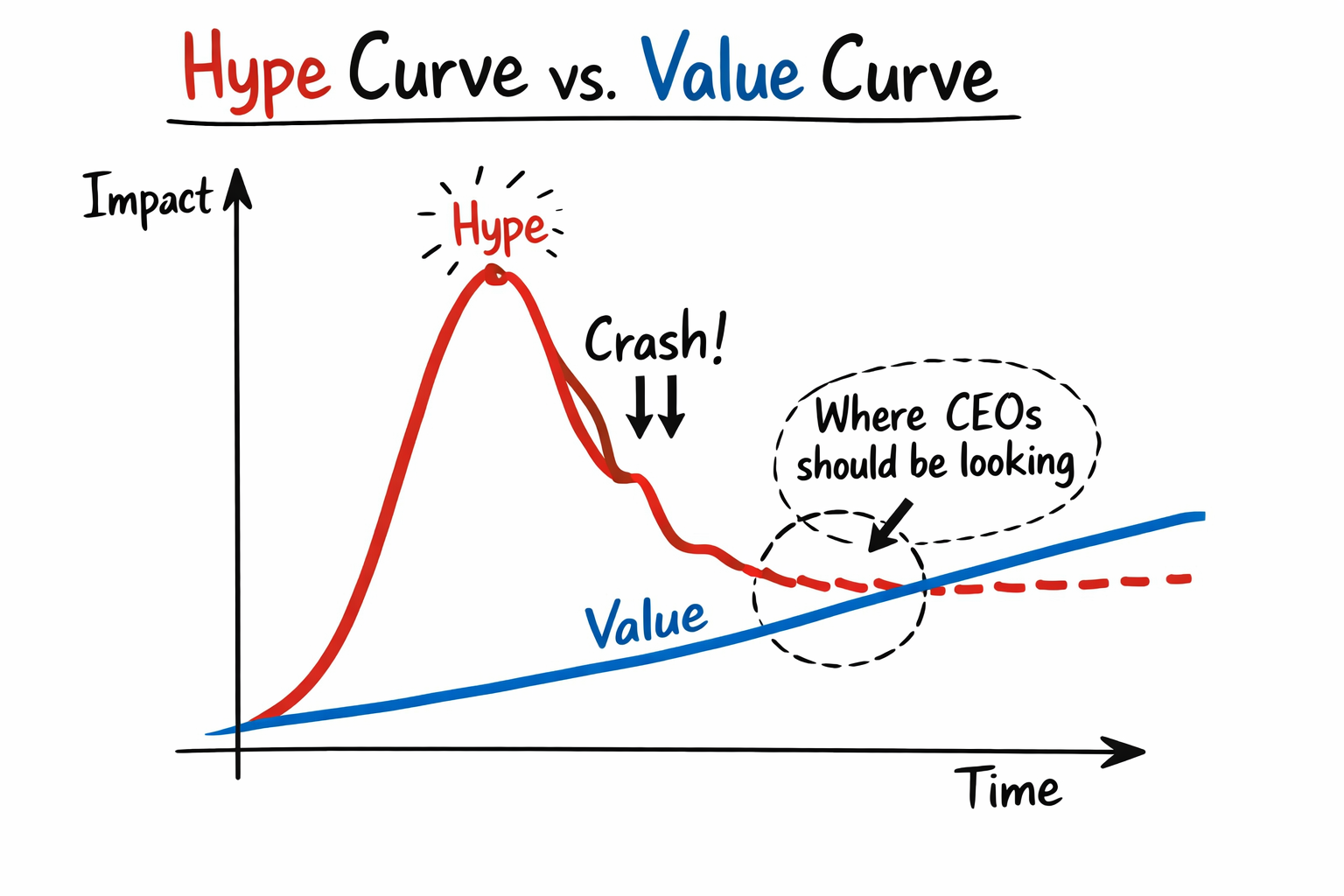
1- From hype to value convergence in business models
We will begin to see the era of “doing AI” as itself a differentiator; pricing and business models have already begun to converge around demonstrable ROI. Investors and operators are rewarding offerings that show clear economics over those that simply burn capital on compute. This will be driven from all corners of the organization – but for the first time, we’ll start to see the Board of Directors leaning in. Business stakeholders should insist on tangible ROI from AI implementations. As was true for projects before this boom, all AI efforts need to clearly define the impact to the business.
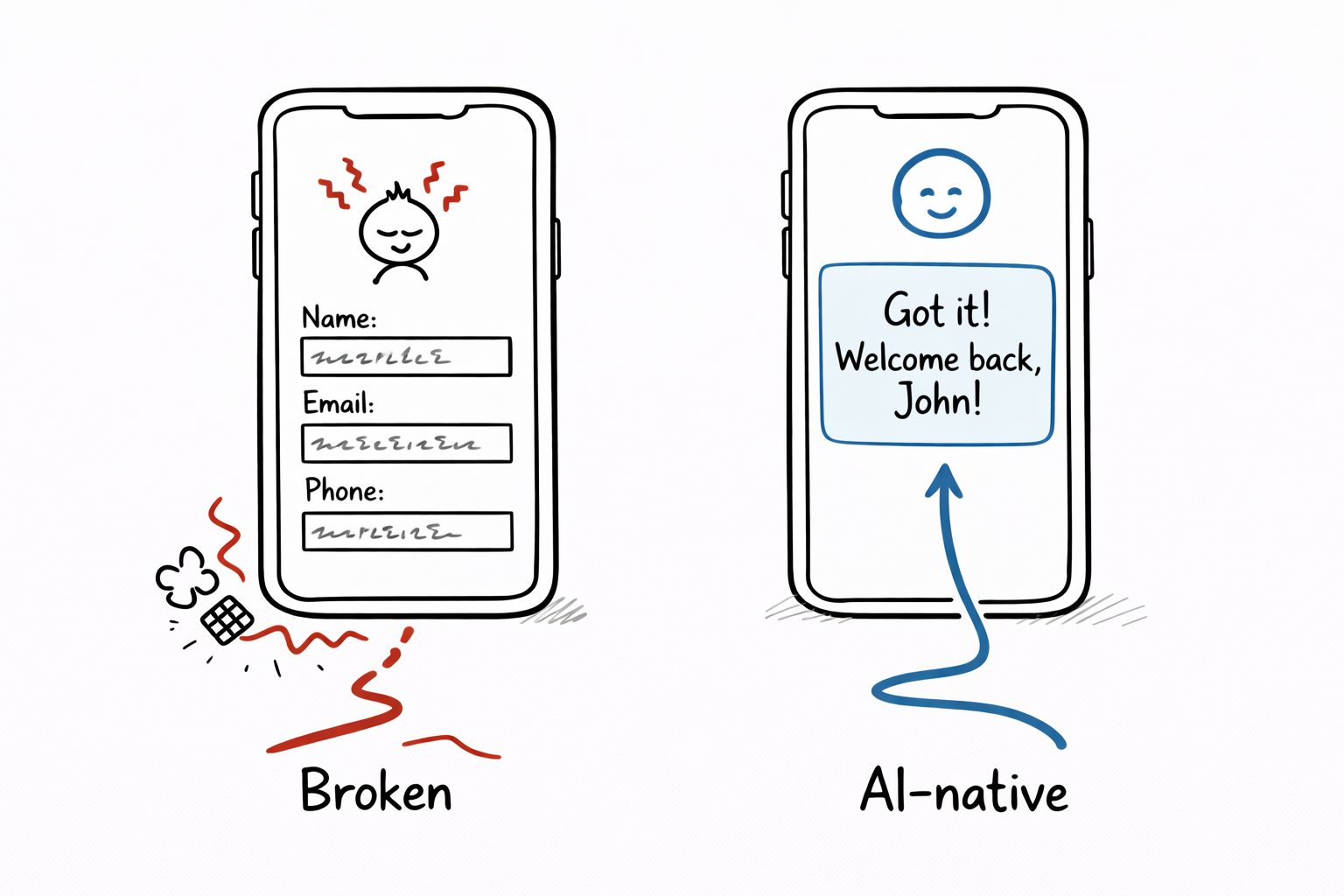
2- Consumers now implicitly expect AI-native experiences
The AI Fitness aid, Strava, now analyzes my run. The AI Wearable, Oura, now anticipates my vitals with my context. End-users are rapidly embracing the benefits of AI. They will increasingly assume (and demand) that products and services remember who they are, anticipate needs, and reduce friction without repeated inputs. Experiences that are not personalized or context-aware will be perceived as “broken,”, not merely “behind.” CEOs should harness AI to facilitate knowing the customer intimately and using that knowledge to deliver real benefit.
3- Creativity, Not Capability, Becomes the Bottleneck
As AI compresses the cost of production, analysis, and distribution to near zero, a new scarcity emerges: human creativity, discipline, and the ability to articulate compelling ideas
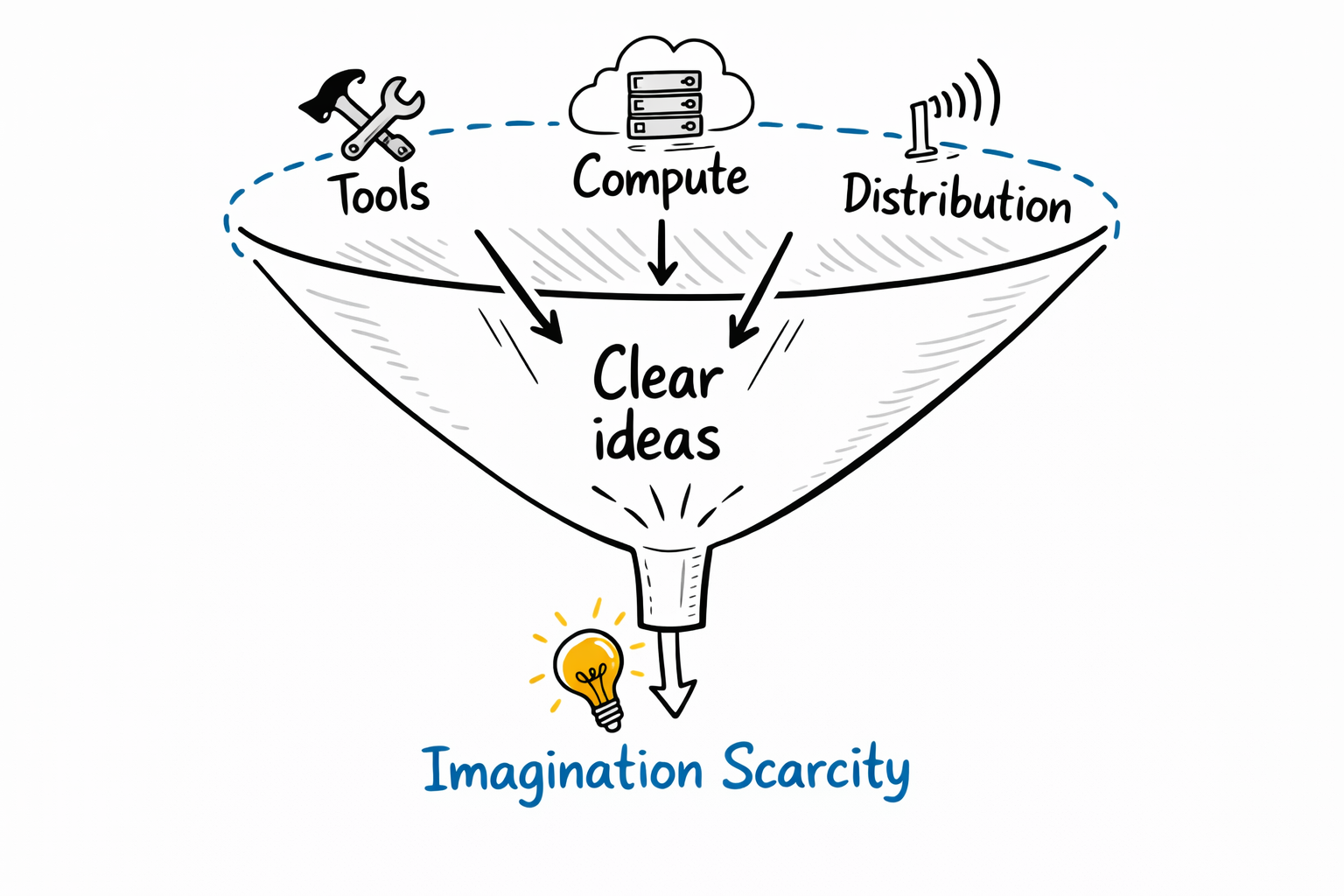
Resource constraints are evaporating. A solo creator with a clear vision can now produce what once required entire teams. The differentiator is no longer access to tools, budget, or headcount –it's the quality of the idea itself and the clarity with which it's communicated.
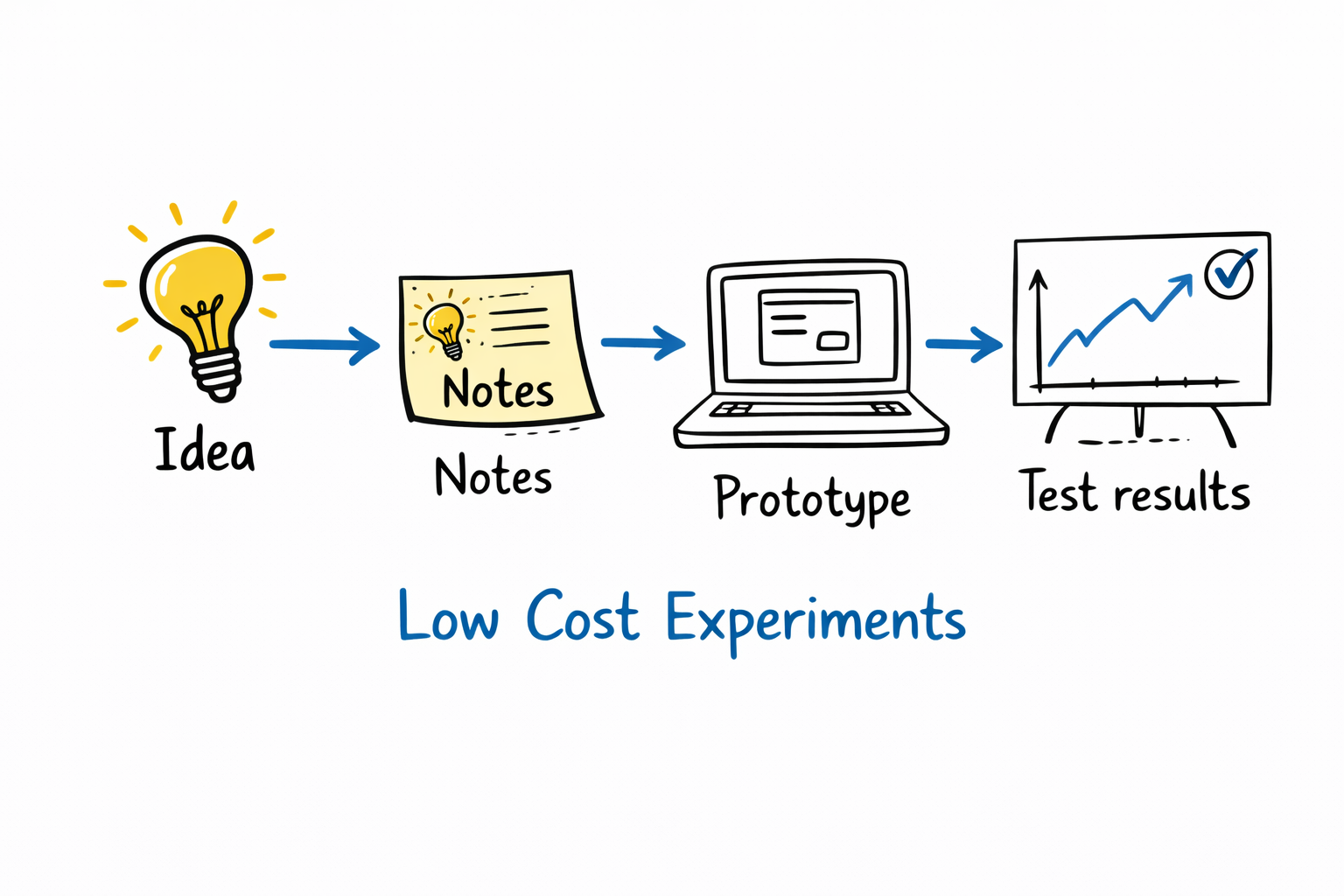
The democratization of execution means ideas no longer die in "we don't have the resources" conversations. They die –or thrive –on their own merits. Organizations that recognize this and build systems to capture and rapidly test their teams' creativity will pull ahead. Those still operating under resource-constrained mindsets will fall behind competitors who've mastered the new constraint: imagination.
This shift has immediate implications for how organizations operate. When exploration and experimentation cost almost nothing in time or money, the strategic advantage goes to teams that can:
-
Surface creative thinking from across the organization, not just leadership
-
Reduce friction in converting ideas into testable prototypes
-
Articulate differentiated concepts clearly enough for AI to help execute them
From “we use AI” to cross-silo, customer-centric intelligence
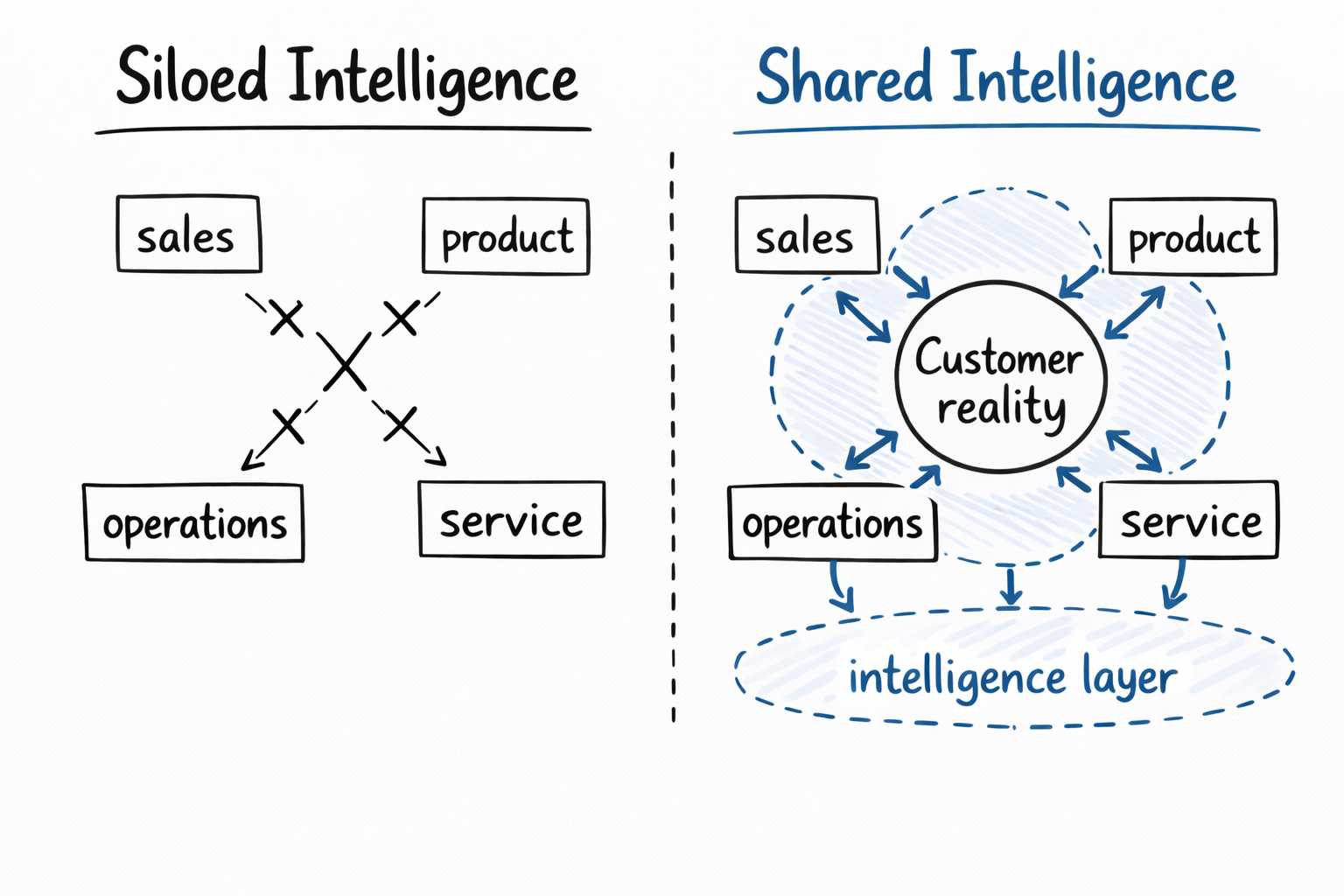
Simply claiming to use AI is no longer compelling; enterprises must demonstrate how AI reshapes outcomes across functions. The next frontier is AI that connects historically siloed departments around shared customer problems, enabling teams to interrogate a common, organization-wide intelligence layer rather than negotiate solely through org charts and meetings. In 2026 companies should strive to move past the old reality where the 'half-life of information is six feet,' and use AI as the connective tissue that maintains institutional knowledge across every department, regardless of physical proximity.
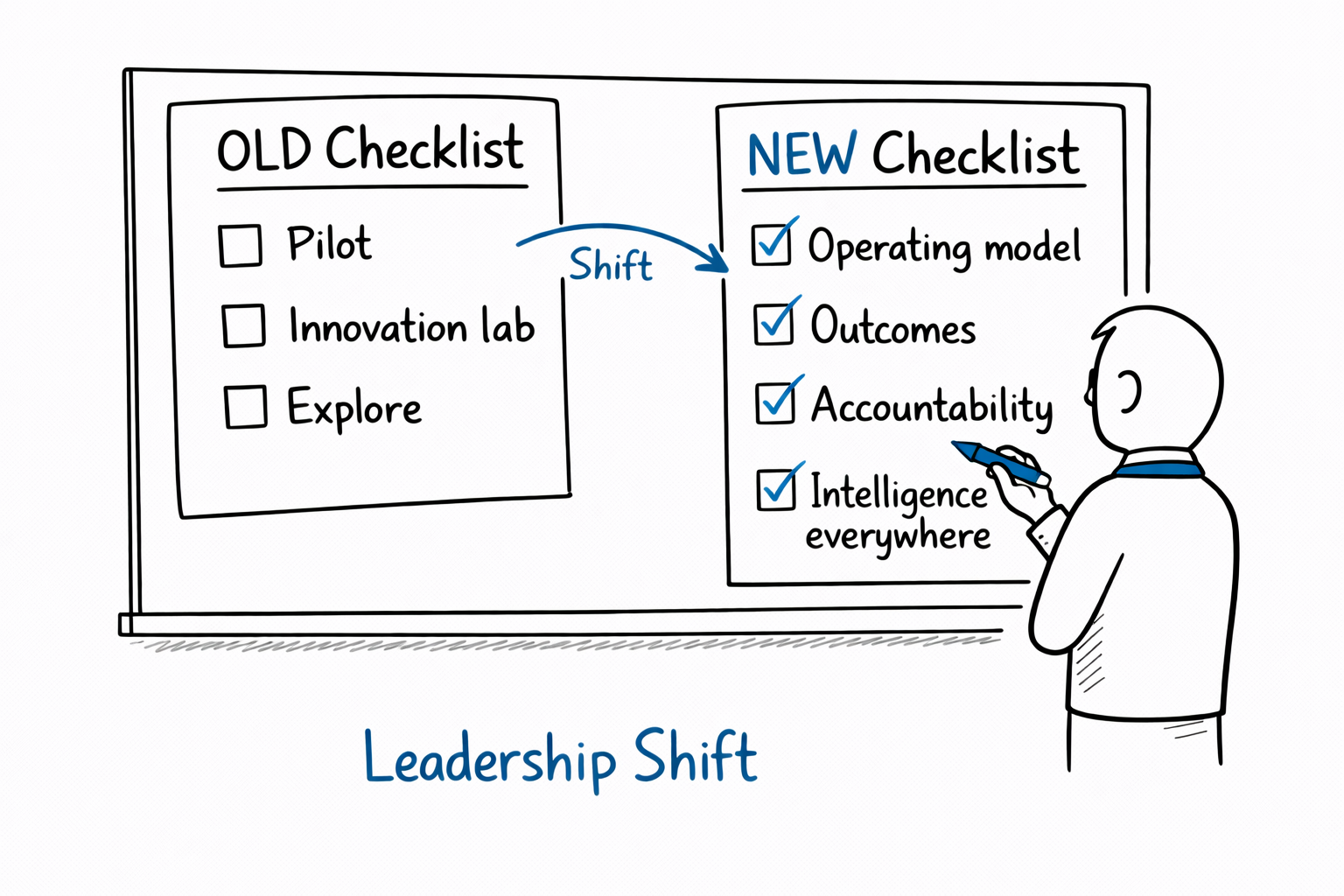
Taken together, these signals suggest the need for a clear shift in leadership expectations. AI is no longer a technology initiative to be delegated or experimented with at the margins; it is becoming a core element of how organizations operate, coordinate, and compete. The winners in 2026 will be those that move beyond tools and pilots to build durable intelligence into their systems redesigning how work gets done.